
Newsletter
SEPTEMBER 2026 EDITION
Building Africa’s strategic pipeline of investment-ready water and sanitation projects
Project preparation • Investment mobilisation • Sanitation transformation • Partnerships
INSIDE THIS EDITION
2026 Call for Proposals • Strategy 2026–2030 • Orange–Senqu • Congo sanitation reform • AUSII investment pipeline • Philanthropy and donor engagement • Germany partnership • Mali field update
An initiative of the African Ministers’ Council on Water, administered by the African Development Bank
In this edition
| SECTION | FEATURE |
|---|---|
| Lead story | 2026 Call for Proposals moves into review |
| Strategy & results | 2026–2030 direction and impact at a glance |
| Regional spotlight | Orange–Senqu: from preparation to finance |
| Sanitation spotlight | Republic of Congo: reform to investment pipeline |
| AUSII country engagement | Kenya, Senegal and Chad: toward a programmatic approach |
| International engagements | Donors & Observers, Brazzaville and Madrid |
| International engagements | Germany strategic partnership |
| International engagements | Stockholm, Jeddah and Kigali engagement highlights |
| Looking ahead | Cairo Water Week and UN Water Conference |
| From the field | Mali implementation support |
| Investment opportunities | Preparation-to-finance pathway |
| Knowledge insight | What makes a project investment-ready? |
| Opportunities & dates | Key milestones and engagements |
| About AWF | Stay connected and closing note |
OPENING MESSAGE
Preparing projects that can attract investment and deliver impact
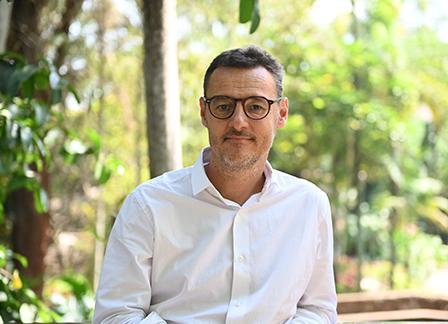
Message from the Coordinator of the African Water Facility
Africa’s water and sanitation challenge is also a project preparation challenge. Across the continent, governments and institutions have identified urgent priorities, yet many projects cannot attract financing because essential studies, designs, safeguards, institutional arrangements or financial structures remain incomplete.
The African Water Facility exists to help close this gap. Through targeted grants and technical support, the Facility enables countries and regional institutions to transform priority concepts into credible investment opportunities. This catalytic role is central to our 2026–2030 Strategy, which strengthens the connection between project preparation, investment mobilisation and sustainable implementation.
The 2026 Call for Proposals has now moved from launch to review. This is an important step in building a stronger strategic pipeline of climate-resilient water and sanitation investments and ensuring that the Facility’s resources are directed towards projects with clear development value and realistic pathways to financing.
This first 2026 edition of the AWF Newsletter brings together our strategic direction, selected portfolio results, the Orange–Senqu regional planning experience, sanitation reform and project preparation in the Republic of Congo, implementation support in Mali, and a growing programme of international engagement with donors, governments, philanthropies and private-sector partners.
Our recent engagements in Stockholm and Berlin show why this outward-facing work matters: project preparation must be matched by stronger partnerships and resource mobilisation if Africa is to move priority investments towards implementation at the required scale.
We invite governments, basin organisations, implementing agencies, development partners and investors to engage with the Facility. Africa’s water security ambitions will depend not only on identifying the right solutions, but on preparing them well enough to be financed, implemented and sustained at scale.
Samuel Blazyk
Coordinator, African Water Facility
LEAD STORY
2026 Call for Proposals moves into review
From open call to strategic pipeline
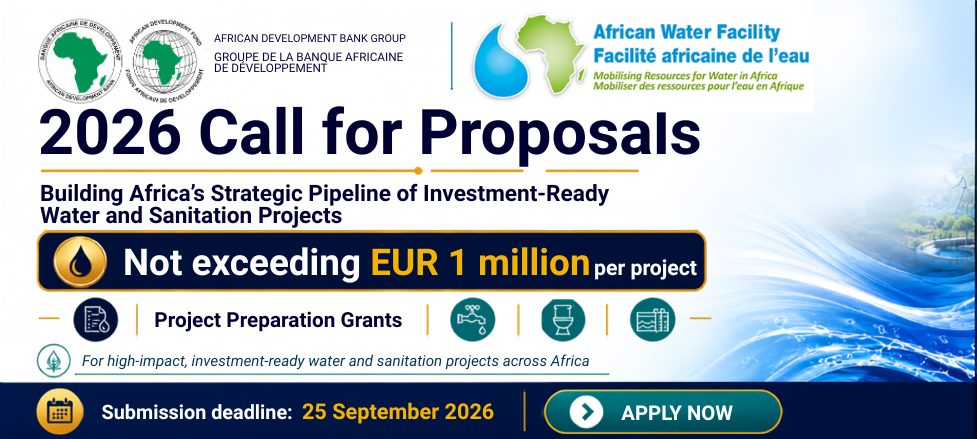
AWF launched its 2026 Call for Proposals on 15 July 2026, inviting eligible African institutions to submit high-impact water and sanitation initiatives with clear potential to attract downstream investment and deliver sustainable development results.
The submission window closed on 25 September 2026. Under the Call, AWF grant financing does not exceed EUR 1 million per selected project. The ceiling applies to the AWF contribution and does not limit the total value of the proposed investment, allowing larger projects to be considered where applicants demonstrate credible co-financing arrangements, investor interest or a realistic pathway towards financing.
The Call addresses a recurring sector challenge: many projects respond to urgent and well-recognised needs but cannot advance because essential feasibility work, detailed designs, safeguards, financial structuring, transaction support or institutional arrangements remain incomplete.
The Call generated strong interest across Africa, attracting submissions from a diverse range of sovereign and non-sovereign entities. The review of proposals is currently underway and will continue through the end of the year, as AWF assesses the submissions against the Call’s eligibility and selection criteria.
The Call is designed to strengthen AWF’s strategic pipeline and help promising projects close the preparation gaps that prevent them from reaching technical and financial maturity.
Review underway
Eligibility and selection assessment in progress.
Through end-2026
Review of proposals continues through the end of the year.
Next step
Selected proponents move into preparation design, grant processing and implementation planning.
A strong preparation grant should not end with a study. It should move a priority investment measurably closer to financing, procurement and implementation.
STRATEGY IN FOCUS
A sharper direction for 2026–2030
Preparing better projects, securing finance and strengthening AWF as a continental facility
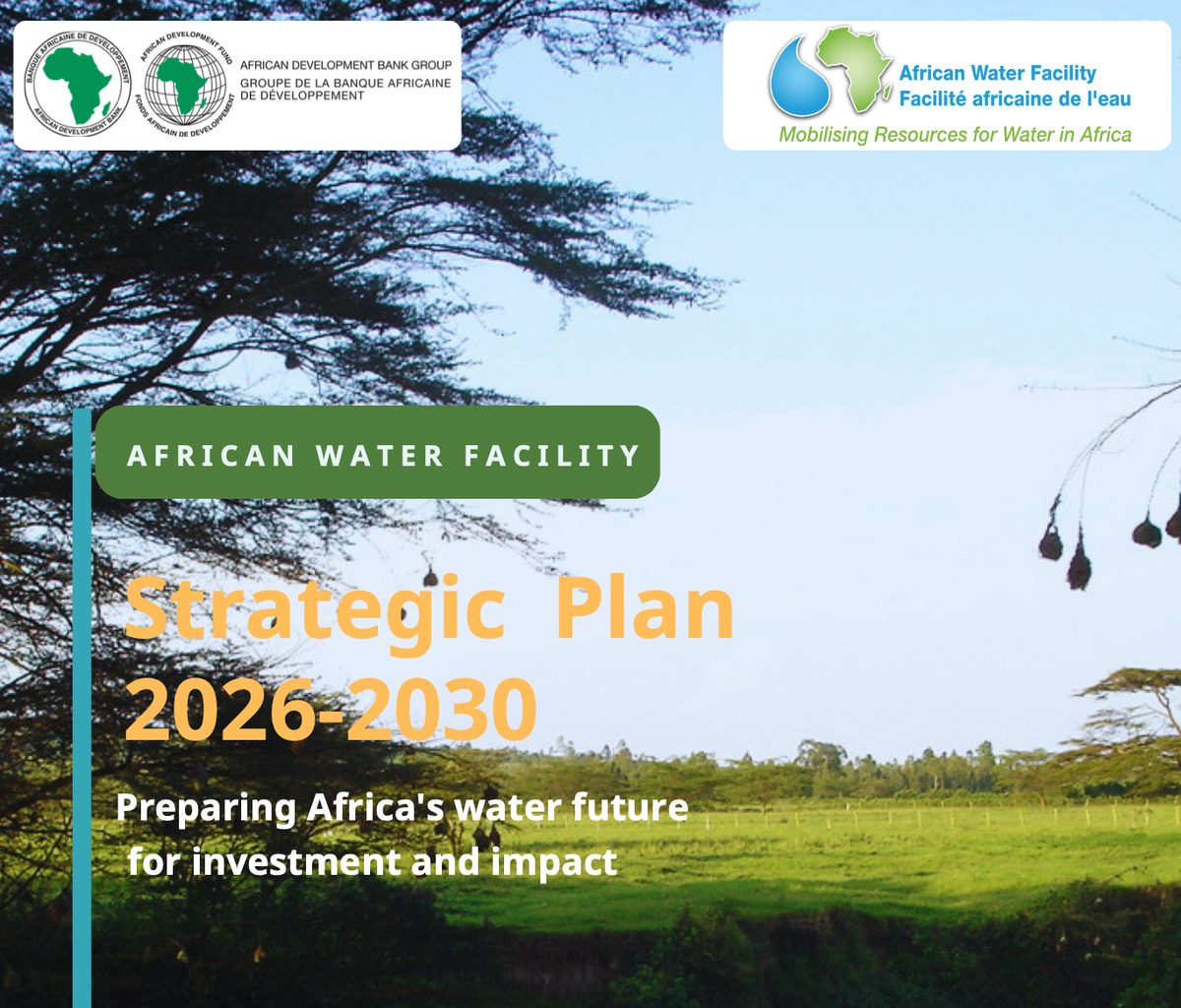
AWF enters the 2026–2030 period with a clear mission: to serve as Africa’s continental lead facility for catalytic project preparation, secure downstream investment and facilitate greater private-sector participation in beneficial uses of water.
The Strategy links preparation, finance mobilisation and institutional performance. In practical terms, AWF will prioritise projects and partnerships that demonstrate strong country ownership, credible preparation needs, clear development value and realistic prospects for downstream finance.
SP1 | 70%
Project preparation to catalyse investment for water security and safe sanitation. Improve project quality, last-mile readiness, governance, capacity and climate resilience.
SP2 | 20%
Secure water and sanitation finance and investment. Accelerate investment promotion, innovative finance, partnership development and private-sector participation.
OP | 10%
Build AWF into a high-performance facility. Strengthen visibility, operational efficiency, financial sustainability, monitoring, evaluation and learning.
Impact at a glance
152
projects approved since inception
54
African countries reached
EUR 220m
committed in grants
EUR 1.9bn+
downstream financing mobilised
EUR 2.2bn
priority investments identified or facilitated
EUR 1 → EUR 29
approximate leverage
51.1m
people reached with improved water access
18.7m
people reached with improved sanitation
474,804
households supported through water management
1.4m ha
equipped for irrigation
Strategy delivery scenarios presented to donors: EUR 75m → 30 bankable projects and ~EUR 800m downstream finance; EUR 90m → 36 projects and ~EUR 960m; EUR 120m → 48 projects and ~EUR 1.28bn.
REGIONAL SPOTLIGHT
Turning shared priorities into investable projects
The Orange–Senqu Basin illustrates how regional planning can organise a pipeline for climate-resilient investment
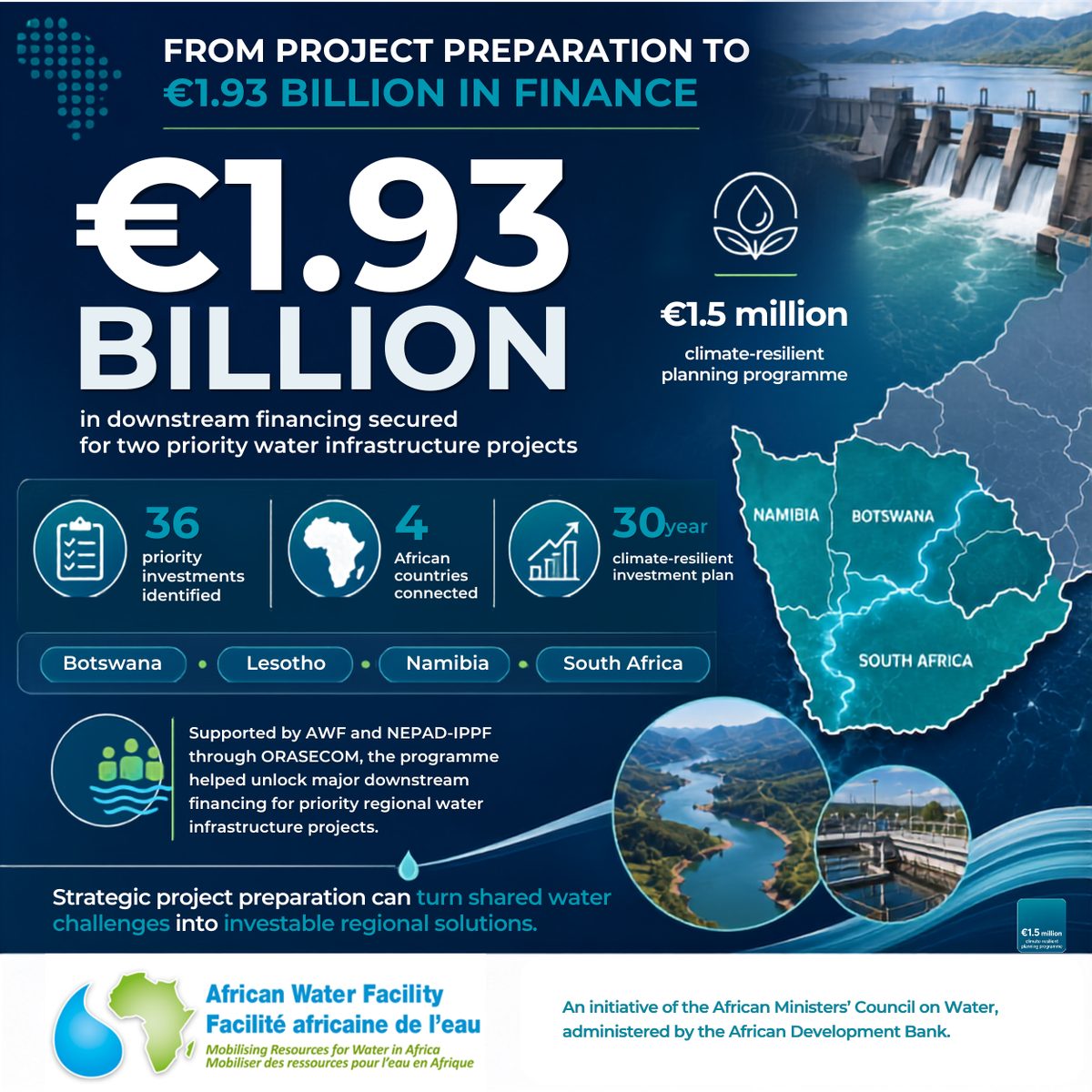
For families, farmers and businesses across Botswana, Lesotho, Namibia and South Africa, water security depends on turning shared regional priorities into technically credible and financially attractive investments.
A EUR 1.5 million climate-resilient planning programme, implemented by the Orange–Senqu River Commission with support from AWF and NEPAD-IPPF, helped develop a 30-year Climate-Resilient Investment Plan for the basin. The programme assessed investments against climate scenarios and strengthened basin-wide planning and integrated water-resource-management frameworks.
The resulting plan identifies 36 priority investments across nine thematic clusters, including water storage, inter-basin transfers, irrigation, wastewater reuse and catchment management. It provides a structured pipeline through which countries and partners can sequence priorities, engage potential financiers and move individual projects towards implementation.
Two priority investments identified in the plan secured financing in 2025: the Polihali Dam under Phase II of the Lesotho Highlands Water Project, at approximately EUR 1.65 billion, and the Neckartal Dam Hydropower project in Namibia, at approximately EUR 289 million. Together, these represent approximately EUR 1.93 billion in downstream financing.
4 countries
one shared basin
36
priority investments
EUR 1.5m
planning programme
EUR 1.93bn
downstream financing for two projects
The lesson is not that planning automatically delivers finance. It is that a credible regional investment framework gives countries and financiers a common basis for sequencing, preparation and investment decisions.
SANITATION SPOTLIGHT
Republic of Congo: from institutional reform to an investment pipeline
AWF technical assistance is helping strengthen policy, capacity and preparation for city-wide inclusive sanitation
In January 2025, the Republic of Congo created a ministry dedicated to urban sanitation for the first time. The new institution inherited a sector facing significant service gaps, limited specialist capacity and a need for stronger policy, coordination and investment planning.
At the Ministry’s request, AWF deployed a sanitation Technical Assistant from 1 April to 30 September 2026. The assignment combines project preparation, capacity building, sector coordination, governance reform and support for city-wide inclusive sanitation.
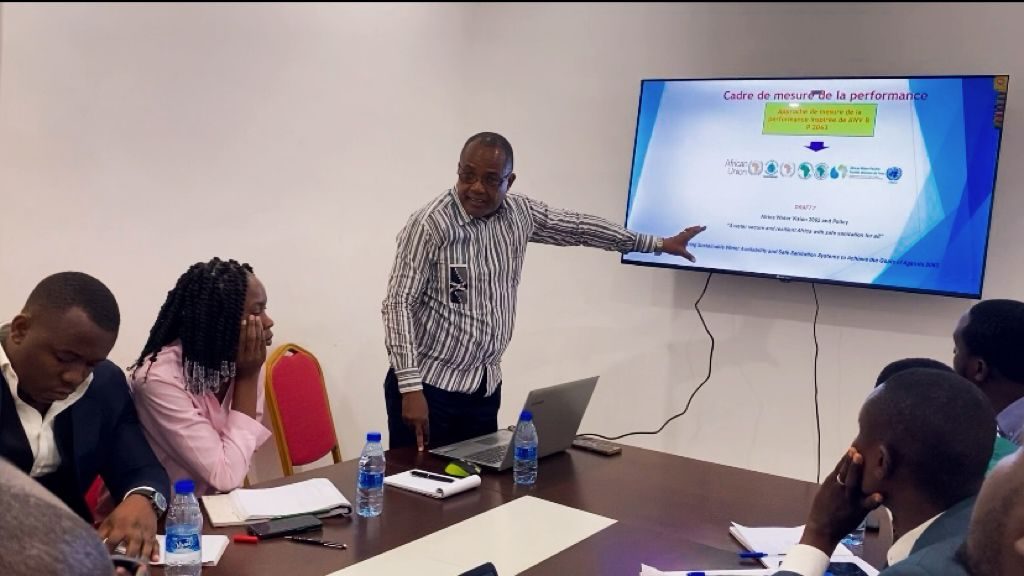
A key milestone came on 18 June 2026, when the Government approved the revised National Sanitation Policy. The Ministry’s sanitation performance dashboard was subsequently approved on 21 August 2026.
The technical assistance has also supported preparation of a new sanitation law, strengthened coordination with development partners, introduced practical training on AWF proposal preparation and helped translate the City-Wide Inclusive Sanitation approach into an emerging investment pipeline.
The technical assistance is also helping the Ministry explore sanitation financing mechanisms, including a proposed Sanitation Program Facility, greater use of private-sector and climate-finance instruments, and the concept of a national sanitation fund.
Brazzaville & Kintélé master plan
EUR 1,261,045 total project cost
EUR 999,855 proposed AWF grant (79%)
Appraisal report finalised; project awaiting Bank approval.
Sanitation & urban resilience
USD 590,000 preparation project
USD 500,000 proposed UMDF grant
Investment feasibility studies awaiting Bank approval.
Nature-based solutions
USD 400,000 technical-assistance proposal to integrate nature-based solutions into the sanitation and urban-resilience preparation work.
Funding source: AfDB (PICU)
AUSII AND PARTNERSHIPS
Building the foundations for city-wide sanitation investment
Diagnostics, institutional strengthening and project preparation are creating a stronger platform for urban sanitation finance
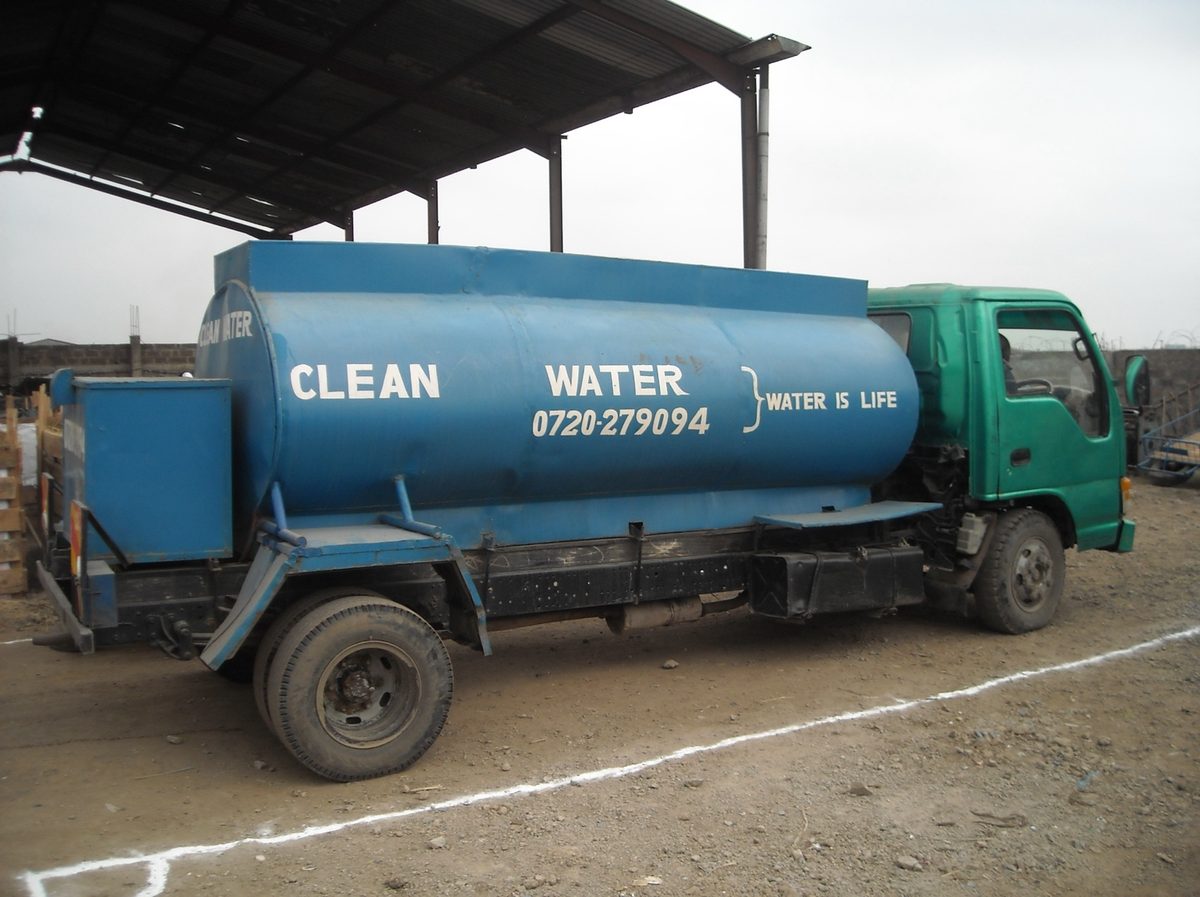
Through the Africa Urban Sanitation Investment Initiative (AUSII), AWF is working to move urban sanitation beyond isolated infrastructure projects towards city-wide systems that combine service delivery, institutions, markets, regulation and financing.
Diagnostic work has focused on priority countries including the Central African Republic, Chad, the Democratic Republic of Congo, Ethiopia, Kenya, Madagascar, Namibia, Nigeria, Senegal, Tanzania, Togo and Uganda. The objective is to identify service gaps, strengthen enabling conditions and develop investment-ready sanitation programmes that can mobilise larger public and private financing.
COUNTRY ENGAGEMENT | KENYA, SENEGAL & CHAD
AUSII engagement is moving from individual sanitation projects towards a stronger programmatic approach, with government and Bank teams using the platform to identify priority sanitation constraints, define preparation needs and connect them to financing options.
The governments of Kenya, Senegal and Chad have agreed to move from single sanitation projects towards a programmatic approach under AUSII.
AUSII | PIPELINE AT A GLANCE
12 countries — Diagnostic studies completed
6 priority countries — Kenya • Senegal • Nigeria • Chad • Madagascar • Namibia
USD 50–60m — Initial portfolio target
~USD 500m — Scaling ambition
~2027 — Concessional financing window anticipated
Blended finance, guarantees and country-level partnerships are being explored to help bridge the gap between sanitation preparation and investment.
From strategy to partnerships
AWF is taking its 2026–2030 agenda to donors, governments and sector partners
DONORS & OBSERVERS | 10 JUNE
AWF convened its first 2026 Donor and Observers meeting virtually on 10 June, bringing together 33 participants from existing and potential donors, development partners and sector organisations. The meeting presented the 2026–2030 Strategy, AUSII, AWF’s financing needs and its advocacy agenda. Participants discussed potential support ranging from core funding and reprogramming of existing resources to downstream and blended finance.
BRAZZAVILLE │ AfDB ANNUAL MEETINGS
The side event on financing water sector investments in Africa followed the adoption of the Africa Water Vision and Policy 2063 by Heads of State and Government at the African Union Summit in Addis Ababa, Ethiopia, on 14–15 February 2026.
The meeting provided an opportunity to discuss how to translate the commitments of the Africa Water Vision and Policy 2063 into practical implementation.
MADRID | SPAIN OUTREACH
AWF held a bilateral engagement with Spain’s Ministry of Economy, Trade and Business (MINECO) in Madrid in May 2026 as part of its resource-mobilisation outreach. The discussion presented AWF’s new Strategy, current investment opportunities and the role of project preparation in creating a stronger pipeline for downstream finance. Spain indicated interest in continuing the dialogue on possible support to AWF and selected investment opportunities.
Why these engagements matter: AWF’s project-preparation mandate depends on strong relationships with the institutions that can fund preparation, co-finance investment-ready projects and help countries move from priority needs to implementation.
INTERNATIONAL ENGAGEMENTS
Germany advances strategic partnership with AWF
Berlin engagement puts core funding, political support and private-sector collaboration at the centre of AWF’s 2026–2030 agenda
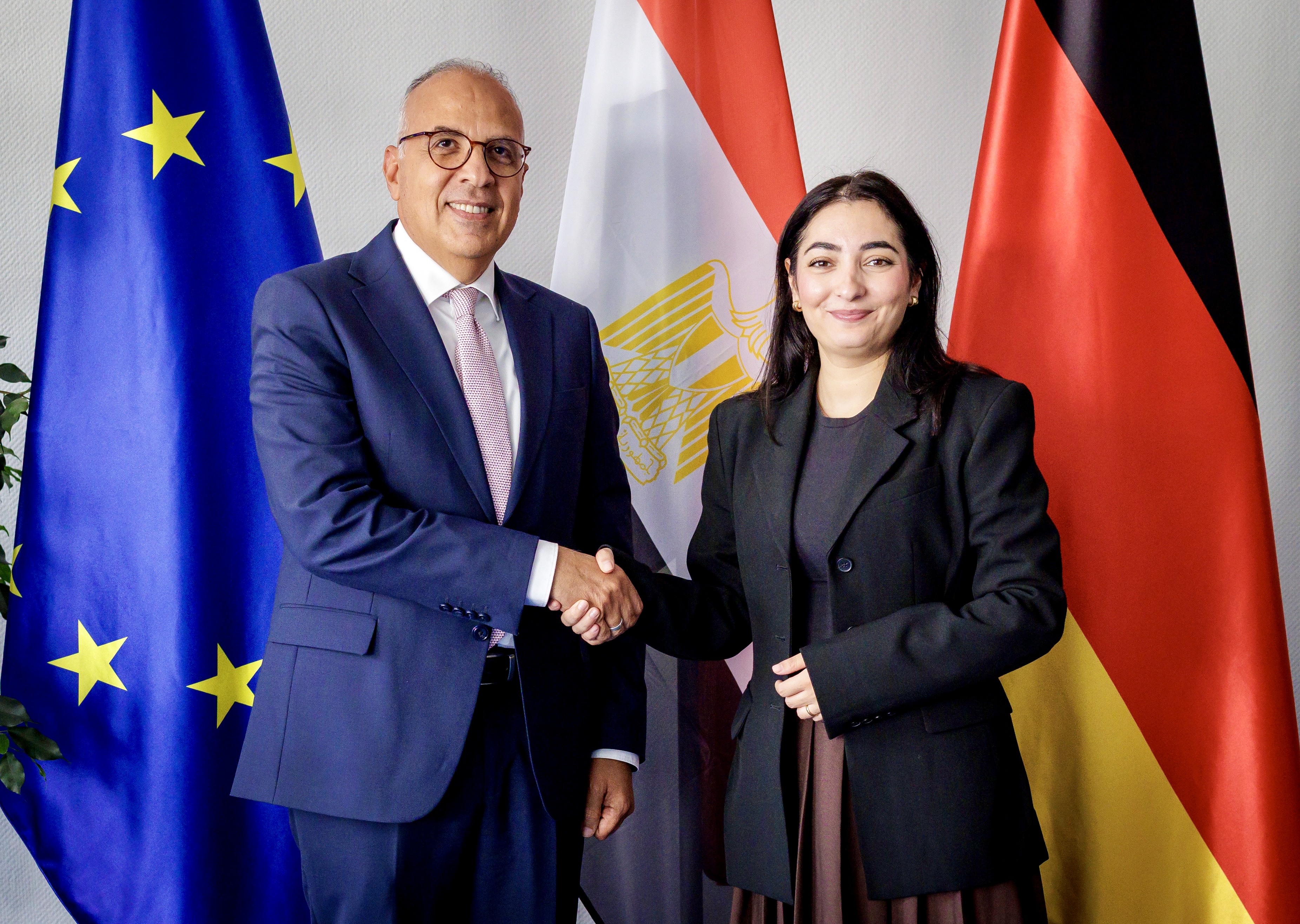
H.E. Prof. Dr Hani Sewilam, Chair of the AWF Governing Council, with H.E. Reem Alabali-Radovan, Germany's Federal Minister for Economic Cooperation and Development.
BERLIN | 1–3 SEPTEMBER
AWF AND GERMAN GOVERNMENT ADVANCE STRATEGIC PARTNERSHIP FOR AFRICA’S WATER SECURITY
A high-level mission co-led by H.E. Prof. Dr Hani Sewilam, Chair of the AWF Governing Council, and Mtchera Chirwa, Director of the Water Development and Sanitation Department at the African Development Bank, focused on strengthening political and financial support for AWF and deepening links with German partners.
Germany made an initial EUR 500,000 pledge in core funding to AWF. Discussions with the Federal Ministry for Economic Cooperation and Development (BMZ) highlighted alignment around water security, investment readiness and approaches for mobilising public and private participation in Africa’s water sector.
Engagements with the German Water Partnership opened further dialogue with German private-sector expertise and technology providers. Follow-up includes finalising the BMZ funding agreement and involving BMZ and GWP in preparations for Cairo Water Week.
EUR 500,000
Initial German core-funding pledge to AWF
Why it matters: the Berlin mission links AWF’s project-preparation mandate directly to political support, core resources and practical pathways for German financing, expertise and technology.
Other international engagement highlights
Stockholm, Jeddah and Kigali broadened AWF’s partnership base alongside the Berlin mission
STOCKHOLM | 23–26 AUGUST
SIWI WORLD WATER WEEK
AWF used World Water Week to deepen donor engagement and test how philanthropy could complement public and development finance. The 25 August AWF Philanthropies Roundtable brought together around 10 foundation representatives to discuss AWF’s project-preparation model, 2026–2030 Strategy and AUSII.
Foundations highlighted the value of AWF’s government access and long-term presence, while also raising questions around attribution, CapEx-heavy structures, legal constraints, scale and funding timelines. No funding commitments were made.
JEDDAH | SAUDI WATER WEEK
30 June 2026 | Ritz Carlton Jeddah
AfDB and AWF positioned the institutions as strategic partners for Arab States stakeholders, with discussions on climate-resilient WASH investment, project preparation and co-financing.
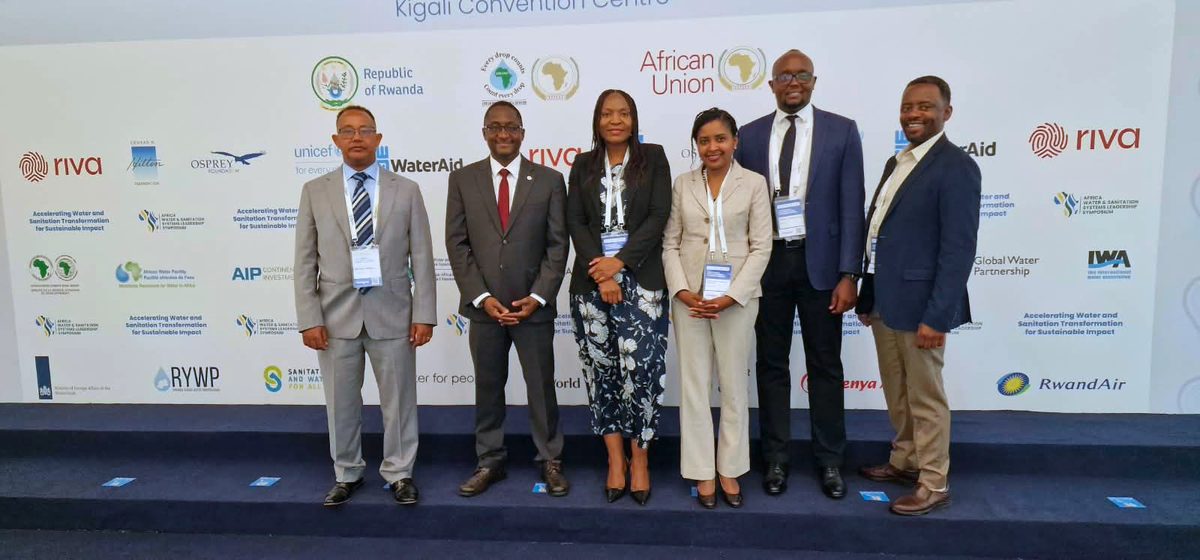
KIGALI | AFRICA WATER & SANITATION SYSTEMS LEADERSHIP SYMPOSIUM
17–21 August 2026
AWF presented its 2026–2030 strategic direction, promoted the Call for Proposals and advanced discussions around sanitation partnerships, investment preparation and stronger country pipelines.
Together, these engagements broaden AWF’s partnership base; Berlin demonstrates most clearly how sustained political engagement can translate into direct institutional support.
LOOKING AHEAD
Cairo Water Week: taking the Strategy to African sovereigns
The next major engagement will focus on domestic resource mobilisation, partnerships and investment readiness
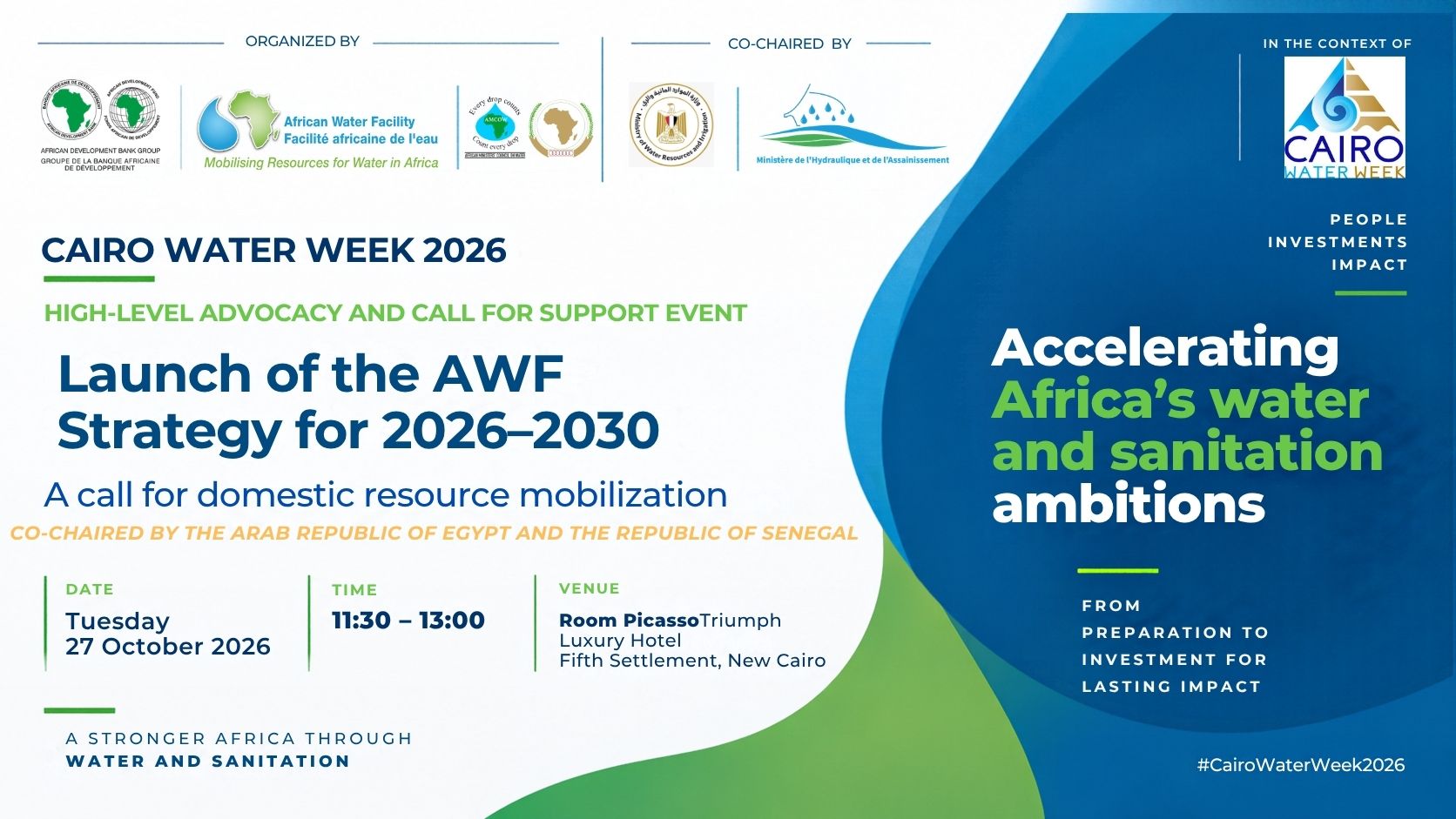
Cairo Water Week is scheduled for 25–29 October 2026. AWF plans to use the platform to deepen engagement with African governments, donors and partners around project preparation, domestic resource mobilisation and the implementation of the 2026–2030 Strategy.
On 27 October, AWF will convene a high-level Advocacy and Call for Support Event for its 2026–2030 Strategy, co-chaired by Egypt and Senegal. The hybrid session, scheduled for 11:30–13:00 in Room Picasso, will bring together African governments, development partners and financing institutions to strengthen support for the Strategy and accelerate investment in safe water and sanitation across Africa.
The event will provide a platform for partner interventions and dialogue around the financing and partnerships required to move African water and sanitation priorities from project preparation towards investment and implementation.
21 October 2026 | GWP Regional Forum Africa
AHWS/AWF has been invited to participate remotely in the 50th German Water Partnership Regional Forum Africa, with a strong focus on the Water Forward initiative.
December 2026 | UN Water Conference, UAE
AWF and the Bank are preparing for the 2026 United Nations Water Conference, building on the investment-readiness and financing agenda advanced through Dakar, Jeddah, Stockholm, Berlin and Cairo.
Engagement journey | Donors & Observers → Brazzaville → Madrid → Jeddah → Kigali → Stockholm → Berlin → Cairo → UN Water Conference
FROM THE FIELD
Mali: accelerating implementation of climate-resilient water and sanitation investments
Supervision focuses on converting an agreed action plan into delivery before project closing
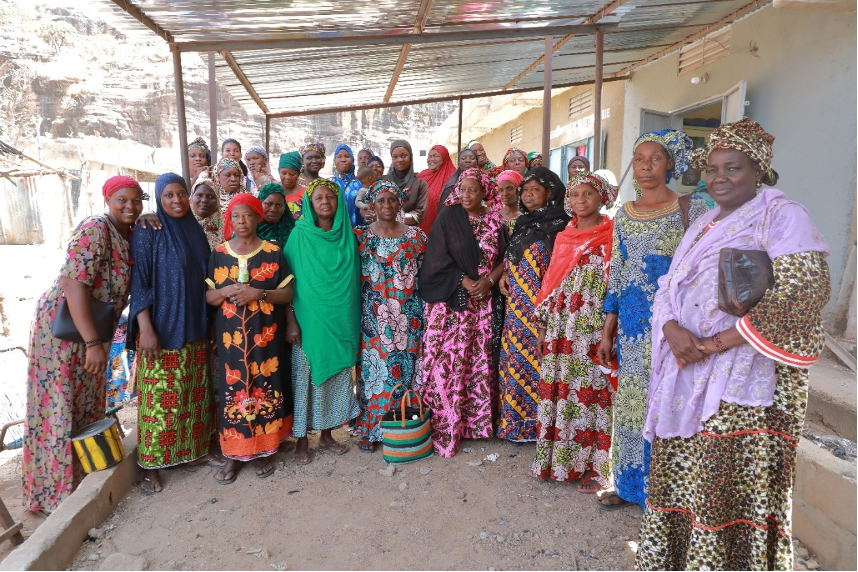
From 20 to 24 April 2026, AWF led a supervision mission for the Project to Support Climate- and COVID-19-Resilient Drinking Water Supply and Sanitation in the Kayes Region and Kati Circle (PAAEPAR-3C2K). The mission reviewed physical and financial progress, procurement, safeguards and the measures needed to accelerate implementation.
The mission resulted in a detailed action plan covering all remaining activities, revisions to procurement and budget arrangements, and measures to speed contracting. A 72-hour timeframe for signing service-provider contracts was agreed with the Minister responsible for water, while the Minister also decided to review implementation progress with the Project Coordinator every two weeks.
A field visit to Dogodouman in Kati Circle enabled the mission to meet local authorities and future beneficiaries and visit sites intended to receive water and sanitation infrastructure. Environmental and social performance was assessed as satisfactory, with 89 grievance committees installed at commune and village levels and no complaints registered since project start.
Since the April supervision mission, the project team has continued implementing the accelerated workplan, with priority procurement packages moving forward and follow-up focused on completing the remaining works and services before the 31 December 2026 closing date.
EUR 4.907m
project cost at appraisal
31 Dec 2026
current closing date
11.2%
reported disbursement rate at mission reporting
20–24 Apr
2026 supervision mission
The management lesson is simple: where implementation time is short, supervision must translate quickly into specific actions, deadlines, accountability and follow-up.
INVESTMENT OPPORTUNITIES AND KNOWLEDGE
From preparation to financing
AWF’s value lies in making the pathway from priority need to investment visible
The investment pipeline is not a single list of projects. It is a progression in which technical preparation, investor engagement, financing decisions and implementation reinforce one another. The examples below show this pathway across AWF's portfolio.
1 PROJECT PREPARATION
Feasibility • design • safeguards • institutional readiness
2 INVESTOR ENGAGEMENT
Financing strategy • market sounding • co-financing dialogue
3 FINANCING SECURED
Lenders/investors commit capital and conditions are agreed
4 IMPLEMENTATION
Procurement • construction • service delivery • results
OPPORTUNITY AREA
Urban sanitation | Zambia
Preparation / pipeline: Integrated and sustainable urban sanitation across 12 urban settlements; feasibility work, detailed designs, tender documents and environmental/social instruments completed.
Financing / status: USD 65 million downstream financing commitments
Why it matters: Shows how AWF-funded preparation can move city-wide sanitation investments from studies and design towards financing and implementation.
Regional water security
Preparation / pipeline: Orange–Senqu 30-year investment plan; 36 priority investments across nine clusters.
Financing / status: Polihali and Neckartal: ~EUR 1.93bn downstream financing.
Why it matters: Shows how regional planning can organise priorities and help projects move towards finance.
Productive water use, São Tomé and Príncipe
Preparation / pipeline: NEW-ERA preparation phase covering master plans, feasibility studies, detailed designs and safeguards for multipurpose water infrastructure supporting irrigation, water supply and hydropower.
Financing / status: UA 2m preparation package, including UA 500,000 from AWF. Downstream financing mobilisation is being prepared.
Why it matters: Shows how integrated water-resource preparation can support agricultural productivity, energy production and climate resilience while creating a pathway towards larger infrastructure investment.
What makes a project investment-ready?
Five disciplines that help move projects from recognised need to financing decisions
1.Start with ownership
A project needs a clearly defined problem, an accountable institution and alignment with national or regional priorities. Preparation is strongest when the eventual implementing institution is engaged from the beginning.
2.Build credible evidence
Feasibility work, demand analysis, engineering, safeguards, climate-risk assessment and cost estimates should reduce uncertainty and support real decisions, not simply produce reports.
3.Make the financing pathway visible
Preparation should identify who might finance the project, what conditions they will require, and which risks must be reduced before a financing decision can be made.
4.Treat institutions as part of the investment
Infrastructure cannot perform without clear mandates, capable institutions, sustainable operating models, regulation and accountability.
5.Design for delivery and inclusion
Climate resilience, environmental and social safeguards, gender, affordability and long-term service delivery should be integrated into project design rather than added at the end.
Good project preparation is not an administrative step before financing. It is the process that turns uncertainty into evidence, priorities into decisions and development needs into investable propositions.
DATES AND ABOUT THE FACILITY
Keep the next milestones on the radar
Calls, partner engagements and upcoming AWF moments
| DATE | MILESTONE | WHY IT MATTERS |
|---|---|---|
| October–December 2026 | 2026 Call for Proposals | Eligibility and selection review underway through year-end. |
| 21 October 2026 | GWP Regional Forum Africa | Remote participation by AHWS/AWF; Water Forward and Africa engagement. |
| 25–29 October 2026 | Cairo Water Week | AWF participation and partnership engagement. |
| 27 October 2026 | AWF high-level event at Cairo Water Week | Domestic resource mobilisation and support for Africa’s water priorities. |
| Following review | 2026 Call for Proposals | Selected proponents move into preparation design, grant processing and implementation planning. |
| 3 November 2026 | 2nd 2026 Donor & Observers meeting | In-person/hybrid meeting in Abidjan ahead of the Governing Council meeting. |
| December 2026 | UN Water Conference, United Arab Emirates | Major global water-financing and partnership engagement. |
Stay connected
African Water Facility
A continental platform for catalytic water and sanitation project preparation
The African Water Facility is an initiative of the African Ministers’ Council on Water, administered by the African Development Bank. As Africa’s dedicated project preparation facility for water and sanitation, it helps countries and institutions prepare bankable projects, mobilise investment, support catalytic approaches and strengthen sector governance.
AWF works across the project cycle, from early investment planning and feasibility work to transaction support, investor engagement and implementation follow-up. Its purpose is not to replace the large-scale financing required by the sector, but to help build the technical, institutional and financial foundations that make such investment possible.
By linking preparation, finance and knowledge, the Facility supports a stronger continental pipeline of climate-resilient water and sanitation projects capable of improving lives, strengthening economies and advancing regional cooperation.
Preparing projects. Mobilising investment. Delivering impact.
Thank you for reading the first 2026 edition of the African Water Facility Newsletter.
Another edition will be published later in 2026.